Sustaining the Cradle: Why African Communities Don’t Need Lessons in Conservation, Just the Power of Modern Touch
For generations, our ancestors walked so softly upon this earth that the wildlife never noticed the footsteps. Today, we don't need to learn why to protect our home, we simply need the modern tools to keep doing so in a rapidly changing world.
The Misconception of "Teaching" Sustainability
When travelers prepare for a safari across Africa’s breathtaking landscapes - from the sun-drenched savannahs of the Serengeti to the misty rainforests of Bwindi - they often carry an unspoken narrative. It is a myth quietly nurtured by international documentaries and well-meaning conservation campaigns: that indigenous and rural African communities must be "educated" on how to care for their environment.
At Haven Africa Journeys, we are here to gently turn that narrative on its head.
Conservation was not invented in modern boardrooms, university laboratories, or international summits. Long before the term ‘sustainability’ became a modern buzzword, it was a lived, breathing reality across the African continent. Sustainable living isn't a new curriculum we bring to local communities; it is embedded directly into their DNA.
What these communities need today is not a lecture on values - they already hold the ultimate masterclass in ecological harmony. What they need, and what modern partnership provides, is a modern touch: updated technology, clean energy infrastructure, smart tools, and economic capital that allow their ancient wisdom to flourish in the 21st century.
┌───────────────────────────────┐
│ THE ANCESTRAL FOUNDATION
│ Taboos • Totems • Seasonal Migration
│ Sacred Groves • Rotational Pastoralism
└──────────────────────┬────────┘
│
▼
┌────────────────────────────────┐
│ THE MODERN TOUCH
│ Solar Tech • GIS Tracking • Smart Fencing
│ Direct Eco-Capital • Clean Cold Chains
└────────────────────────────────┘
│
▼
┌────────────────────────────────┐
│ THRING LOCAL ECOSYSTEMS
│ Resilient Communities + Thriving Wildlife
└────────────────────────────────┘
1. Woven in the DNA: Ancestral Eco-Wisdom
To understand Africa’s ecosystems, one must understand that local communities have historically functioned not as conquerors of nature, but as custodians within it.
The Totem System: Early Species Protection
Long before wildlife protection acts were drafted, African clans operated on sacred Totem Systems. In regions across East, Central, and Southern Africa, every family line was assigned a specific animal or plant as their spiritual symbol, be it the pangolin, the crested crane, the leopard, or the mahogany tree. To harm, hunt, or cut down your totem was strictly taboo (Kizira or Mwiko). This spiritual law effectively created an ancient, self-enforcing biodiversity management network.
Rotational Grazing & Pastoral Intelligence
For centuries, pastoralist communities like the Maasai, Samburu, and Karamojong practiced sophisticated rotational grazing. They read the stars, listened to bird migrations, and understood grass biology with astounding precision. By moving their herds seasonally, they allowed vast tracts of land to rest and regenerate, preserving grazing lawns shared peacefully with wild ungulates like zebras and wildebeests.
Sacred Groves & Forest Sanctuaries
From the Kaya forests along the Kenyan coast to the sacred groves of Western and Central Uganda, local elders designated core forest zones where no axe could fall and no hunting could occur. These were nature reserves in the truest sense - acting as carbon sinks, watershed guardians, and botanical nurseries centuries before modern forestry existed.
2. Why the "Modern Touch" is Needed Now
If sustainability is already in the DNA of local communities, why do challenges like human-wildlife conflict, deforestation, and over-resource usage occur today?
The answer is simple: The world around these communities changed at breakneck speed.
- Climate Volatility: Unpredictable rain cycles mean traditional seasonal signs no longer signal weather changes reliably.
- Population Expansion & Land Fragmentation: Fences, highways, and farmland have cut off traditional wildlife migratory corridors, pushing animals directly into human settlements.
- Economic Pressures: Cash economies require money for school fees, healthcare, and modern necessities, creating pressure on immediate natural resources.
The problem isn't a loss of love for the land - it is a gap in modern infrastructure. Ancestral wisdom provides the heart and philosophy, modern innovation provides the shield and scale.
3. The "Modern Touch" in Action: Bridging Heritage and Innovation
When modern technology and resource investment meet centuries of local knowledge, extraordinary things happen. Here is how that "modern touch" is transforming local communities across our safari destinations:
How Innovation Elevates Ancestral Wisdom
┌───────────────────────────────────
ANCESTRAL DNA + MODERN TOUCH
Traditional Knowledge + Modern Innovation
───────────────────────────────────
= TANGIBLE COMMUNITY IMPACT
└───────────────────────────────────┘
a). Predator Avoidance & Coexistence
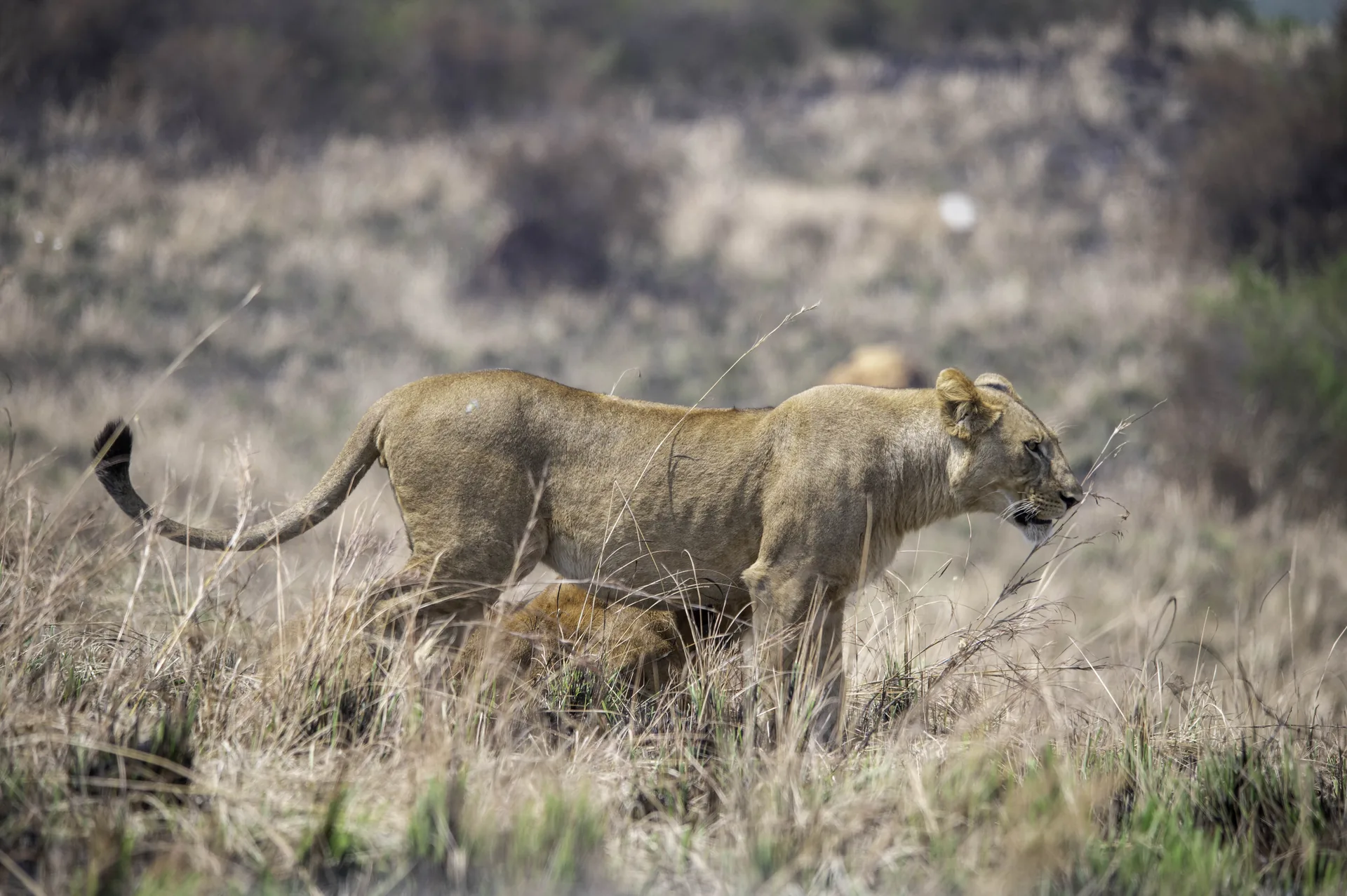
- The Ancestral DNA: Generations of living alongside big cats gave local pastoralists an acute understanding of lion nocturnal movement, hunting behaviors, and territorial paths.
- The Modern Touch: Solar-powered LED "Lion Lights" flashed in automated sequences around livestock enclosures (bomas), backed by satellite GPS collar alerts.
- The Real Impact: Nighttime predator attacks on cattle and goats are virtually eliminated. Farmers no longer need to hunt lions in retaliation, restoring peaceful coexistence between humans and wildlife.
b). Forest & Water Conservation
- The Ancestral DNA: Indigenous spiritual traditions historically protected sacred rivers, natural springs, and old-growth trees from overexploitation.
- The Modern Touch: Solar-powered water boreholes and off-grid cold chain storage systems for local agricultural produce and fish.
- The Real Impact: Clean drinking water is pumped cleanly without cutting trees for firewood. Produce stays fresh longer, preventing forest encroachment and protecting watersheds.
c). Crop Protection & Beehive Fences
- The Ancestral DNA: Ancient wild beekeeping practices utilized native honeybees for forest protection, traditional medicine, and food security.
- The Modern Touch: Hanging top-bar beehives connected by interlinked wire fences along farm perimeters surrounding wildlife reserves.
- The Real Impact: Elephants naturally flee from the sound of buzzing bees, preventing crop raiding. Farmers save their harvests while harvesting premium eco-friendly honey for extra revenue.
d). Real-Time Wildlife Tracking
- The Ancestral DNA: Master-level tracking knowledge passed down through generations—reading subtle footprints, broken twigs, and animal dung with precision.
- The Modern Touch: Handheld digital CyberTracker mobile applications and GPS mapping systems operated directly by community rangers.
- The Real Impact: Indigenous trackers convert their ancestral observation skills into real-time digital conservation data, empowering anti-poaching patrols and scientific studies
4. Voices from the Field
"We always knew lions hated moving light at night - my grandfather used to stand with fire torches. When we installed solar LED lights on our boma, it was simply the modern torch we always needed. The lions stay in the park, our cows stay safe, and my children go to school." — Joseph Ole Nkoitoi, Community Ranger & Pastoralist, Mara Region
"The forest is our mother; we never wanted to cut her down for charcoal. But when you need fuel to cook food or boil water, what option did women have? Now, with solar cookers and clean bio-briquettes made from farm waste, our traditional respect for the forest is backed by clean energy." — Amina Mukasa, Local Women’s Conservation Group Leader, Uganda
5. How Haven Africa Journeys Champions Community-Led Conservation
At Haven Africa Journeys, we refuse to view local communities as passive bystanders or beneficiaries of charity. We view them as the primary guardians and rightful owners of Africa's natural heritage.
When you travel with us, your journey directly catalyzes this "modern touch":
1. - Direct Revenue Sharing: A significant percentage of every booking flows directly into community-managed conservancies, funding solar infrastructure, clean water access, and school bursaries.
2. - Community-Owned Lodges: We partner preferentially with eco-lodges that are co-owned or operated by indigenous trusts, ensuring economic value remains where wildlife lives.
3. - Local Leadership First: Our guides, trackers, cultural experts, and conservation partners are daughters and sons of the soil - sharing their authentic story through their own lens.
4. - Technology Integration: We directly fund community tech tools - from solar light kits to mobile conservation reporting tools—equipping local guardians for the modern era.
Embrace the Real Africa
The next time you stand on a ridge overlooking the Rift Valley or listen to the distant roar of a lion in the African night, remember this:
You are standing in a landscape that exists today because the people who live here carried sustainability in their DNA for thousands of years. They don't need a lesson on how to cherish their home - they simply deserve the modern tools, fair economic partnerships, and respectful recognition to keep doing what they have always done best.
Travel with purpose. Travel with respect. Discover the soul of Africa with Haven Africa Journeys.
By the Haven Africa Journeys Editorial Team
Ready to Experience Authentic Eco-Tourism?
Explore our tailored, community-centered safari itineraries across Uganda, Kenya, Rwanda, and Tanzania.
Tourism as a Neighbor: How Community Journeys Change Lifelines in East Africa
When local communities are genuine partners in tourism, wildlife thrives alongside human prosperity. Explore how female-led coffee cooperatives, indigenous forest …
Read More
Haven Africa Journeys at the Rwenzori Marathon 2026
On 22nd August 2026, Haven Africa Journeys proudly joined the Rwenzori Marathon in Kasese District, running alongside athletes and adventurers …
Read More
Mountain Gorilla Conservation: How Your Visit Makes a Difference
Your gorilla trekking permit directly funds conservation efforts that have helped mountain gorillas recover from near extinction.
Read MoreRecent Posts